
“AfD Stirs Hostility Towards Small and Medium-Sized Enterprises”
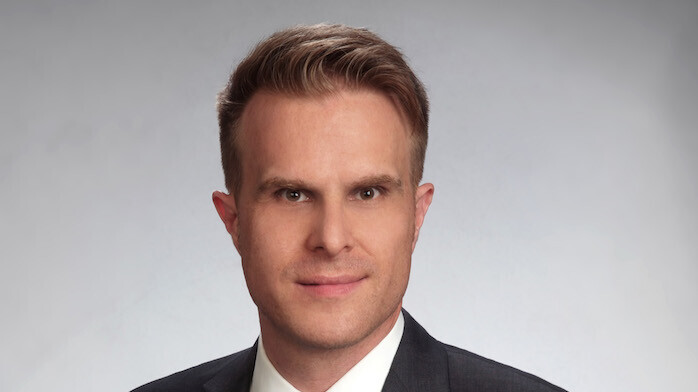
In an article published by WirtschaftsWoche, Prof. Dr. Florian Stahl, Chair of Quantitative Marketing, is quoted on the politicization of companies and brands.
The article describes how the AfD is stirring up sentiment against small and medium-sized enterprises during the election campaign in Thuringia, targeting the economy. Björn Höcke, the state leader, particularly attacks the campaign “Made in Germany, Made by Diversity.” The “Verband der Familienunternehmer” (Association of Family Entrepreneurs) in Thuringia warns of the severe consequences of an AfD government, which could push the state to the brink of economic disaster.
At the same time, the article highlights that not all entrepreneurs clearly distance themselves from right-wing populism. This reflects an increasing politicization of the economy, a trend that originated in the United States and is now becoming apparent in Germany. Prof. Stahl draws parallels to the U.S., where consumers are increasingly making politically motivated purchasing decisions. This trend could also intensify in Germany, especially with the emergence of the Bündnis Sarah Wagenknecht (BSW).
The “Verband der Familienunternehmer” (Association of Family Entrepreneurs) in Thuringia also emphasizes that immigration is essential due to demographic changes, in order to compensate for the loss of workers. Companies warn against the AfD's economically hostile policies and some are taking political stances, which can have both positive and negative impacts on business success.