

Initiatives for the Community
At Mannheim Business School, students, researchers, staff, and alumni actively engage in sustainability beyond research and teaching. This commitment is reflected in student initiatives, alumni-founded companies, social projects, and collaborations with NGOs and nonprofit organizations. Together, we take social responsibility both on campus and beyond.
Social Engagement as a Key Component of Our Programs
Social projects are an integral part of the curriculum in our MBA programs and the Honors Program. Students work together in small groups on concrete social or sustainability challenges, applying their knowledge in practice. These projects foster teamwork, responsibility, and project management skills. Topics range from education and social engagement to environmental and sustainability initiatives.
Below are some examples of social projects described in more detail.
Supporting Chronically Ill Children Through Organizational Development
 Credit: ESSEC & Mannheim EMBA 2025
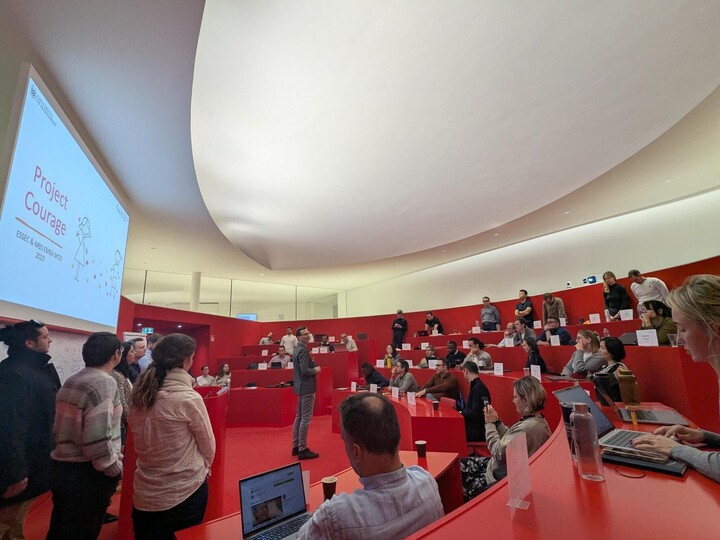
This project was carried out by participants of the ESSEC & Mannheim EMBA in collaboration with the Courage Foundation at Heidelberg Children’s Hospital. This organization supports chronically ill children and their families beyond medical care.
The aim of the project was to improve internal processes and external communication. The students developed a content strategy, created templates for public relations, and revamped the website with clear calls to action. They also optimized fundraising and financial processes. These measures helped generate approximately €9,000 in donations and streamline workflows. Additionally, training materials were created to ensure long-term sustainable implementation.
The project contributed to strengthening the Courage Foundation’s support for affected children and their families, as well as enhancing the sustainability of the organization itself.
Plogging Event: Jogging and Cleaning Up the Neckar Banks
 Credit: FTMBA 2025
This project was organized by MBA participants in collaboration with local initiatives such as Neckar CleanUp, Rhine CleanUp, and INFINITY Mannheim. Its goal was to raise environmental awareness and actively improve the area along the Neckar River.
More than 50 participants collected around 200 liters of waste during the event. Information on waste separation was also provided, and partnerships were established with NGOs, the city administration, and local start-ups. The project was implemented with a budget of approximately €960, supplemented by in-kind contributions from the City of Mannheim.
The project combined exercise, environmental protection, and social engagement. It raised participants’ awareness and builds long-term partnerships for future initiatives.
Accessible Spaces for Children With Disabilities
 Credit: MEMBA 2025
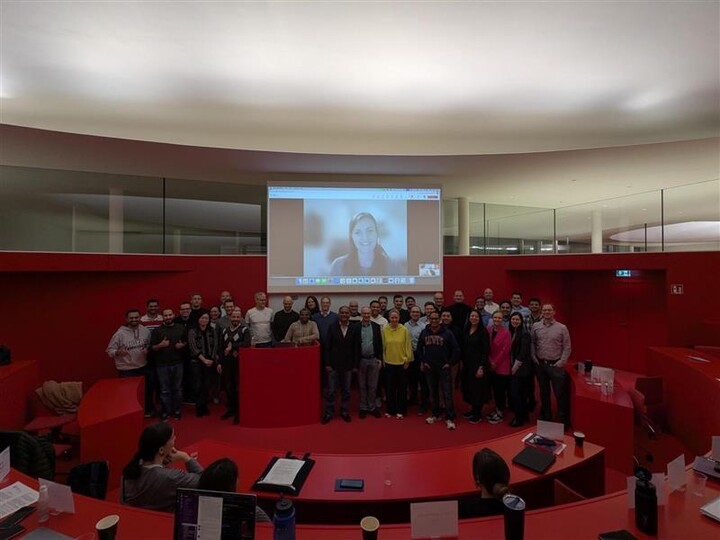
This project, carried out by EMBA participants, was developed in collaboration with Johannes-Diakonie Mosbach, a specialized care facility in St. Leon-Rot for children and adolescents (ages 6 to 18) with severe and multiple disabilities.
The goal was to enhance on-site living and recreational areas and to strengthen an inclusive, supportive environment. At the same time, the project aimed to raise public awareness and secure additional (financial) support.
The participants developed a communications campaign, created informational materials, and published content on social media. They also contributed to designing play and outdoor areas and enhancing interior spaces with colorful accents. The project successfully raised approximately €20,000 in donations and significantly improved the living and recreational opportunities for the children.
Volunteering at the Speyer Animal Shelter
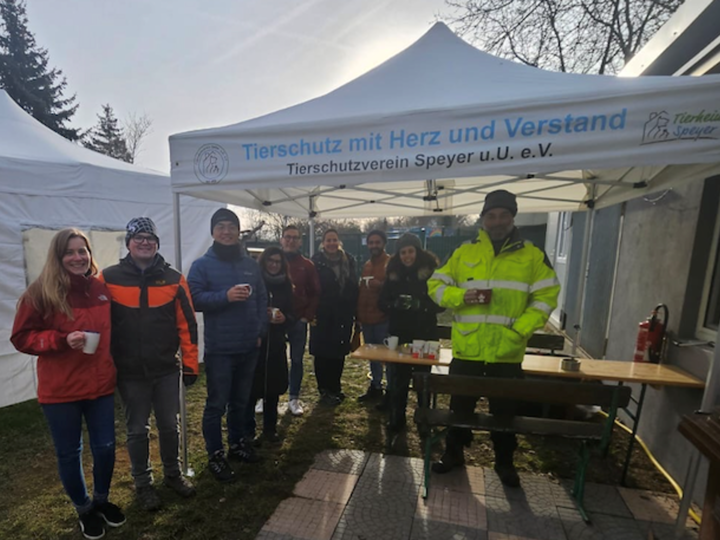 Credit: PTMBA 2026
This project was carried out by MBA participants in collaboration with the Speyer Animal Shelter (Tierheim Speyer), which cares for neglected or abused animals in the region.
The participants provided both practical and organizational support. On-site, they took on tasks such as maintenance work, garden care, and renovations, contributing approximately 200 hours of work. They also organized fundraising and public relations activities, raising €7,600. In addition, they advised the shelter on website development, online communication, and marketing.
The project enhanced the shelter’s capacity to care for animals, modernized its facilities, and promoted long-term public engagement and awareness of animal welfare in the region.
Vernissage: Art Builds Bridges
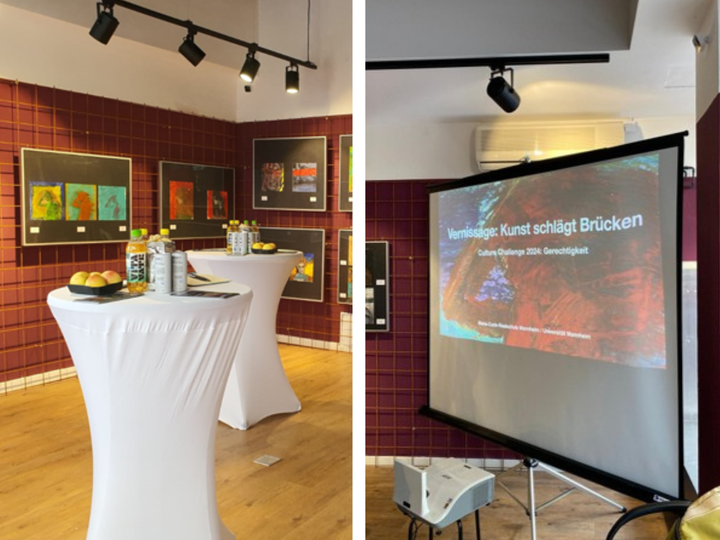 Credit: 1. Kohorte des Honors Program
The “Art Builds Bridges” project, carried out by participants of the Honors Program, brought together people of different generations and social backgrounds through art. Students organized an exhibition featuring works by eighth-grade students created as part of the 2024 “Justice for All” Culture Challenge.
The event in the city center showcased the artworks and encouraged exchange and participation. Its goal was to improve access to art and strengthen the recognition of young people.
This social project demonstrates how art can foster dialogue and connect people.
Bridging Generations – Uniting People in Times of Rapid Change
This project promoted exchange between younger and older generations. Many elderly people are excluded from digital developments and often feel isolated in daily life.
Participants of the Honors Program organized a joint day at a retirement home in Mannheim. The focus was on personal conversations, shared activities, and intergenerational learning. A walk along the Rhine provided space for dialogue and new connections.
The project demonstrates how simple encounters can strengthen social bonds.
Culinary Workshop at a Youth Home
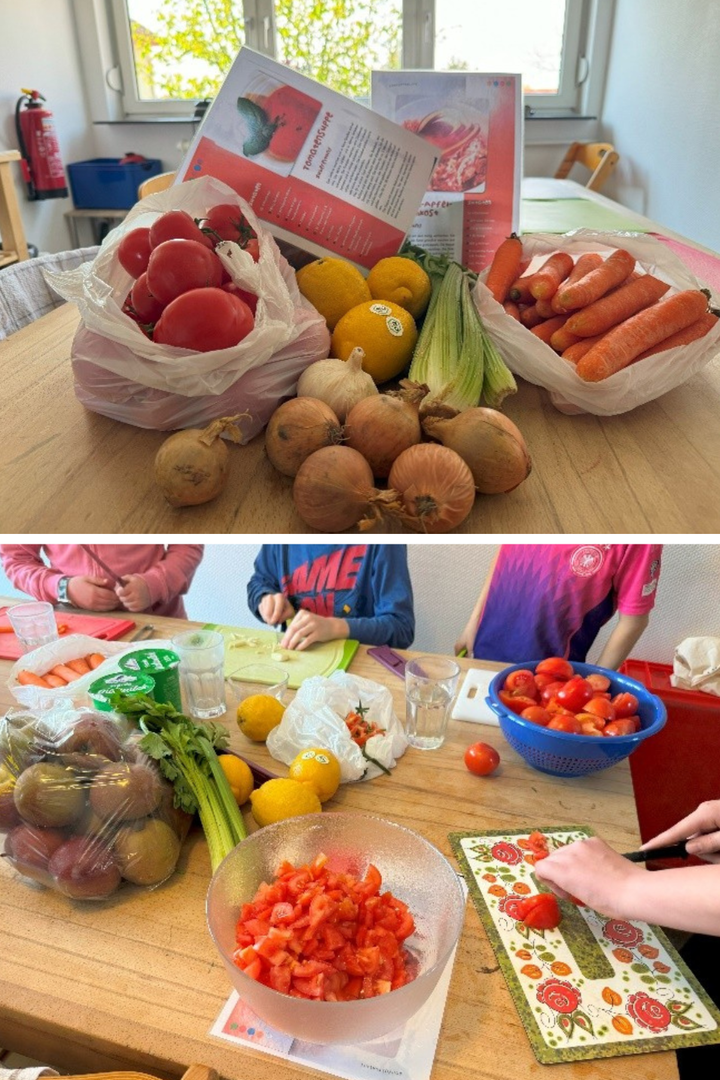 Credit: 2. Kohorte des Honors Program 2024/
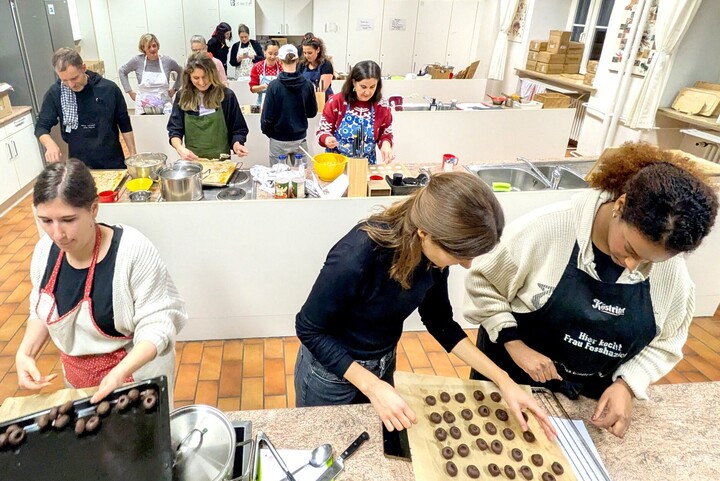
2025 In this project, participants of the Honors Program taught children the basics of healthy and sustainable nutrition. In an interactive cooking workshop, the children learned in a playful way what a balanced diet looks like and how to apply it in everyday life.
At first, some children were hesitant, but they quickly became interested and enthusiastic about participating. Older children helped younger ones with preparation and took on responsibility. Additional children joined spontaneously, demonstrating the positive reception of the workshop.
Community Gardening With People With Disabilities
This social initiative by participants of the Honors Program promoted interaction between students and people with disabilities. The goal was to create meaningful encounters and learn from one another, contributing to inclusion.
After a shared breakfast, participants worked together in the garden of a residential facility. They removed weeds, prepared beds, and planted seeds. People with disabilities shared their knowledge and actively supported the group, creating open dialogue and a positive working atmosphere.
The project demonstrates how joint activities can foster inclusion, mutual learning, and lasting social connections.
Awarded Initiatives
Several projects have received international recognition, highlighting the quality and impact of this engagement. These include L'ESPRIT – Lebanon Solar Power and Light Project, which received a special distinction at the AMBA Excellence Awards 2024, and Where is AMIR, which was awarded an AMBA Excellence Award.

Ways to Get Involved
At the University of Mannheim, there are over 50 student initiatives, around 30 of which focus on ESG topics. Students have numerous opportunities to get involved and develop their own projects. Explore the different ways to actively engage.



The Impact of Our Alumni Network

Alumni Making a Difference
Graduates of Mannheim Business School have founded companies and organizations committed to sustainability and social responsibility. Their projects address environmental and social challenges, demonstrating how business success and sustainable action can go hand in hand.
Below are some inspiring examples of how MBS alumni have turned their ideas into societal impact.
Alumni-Founded Organizations and Companies
Socialbee – Zarah Bruhn
The organization socialbee, founded by Bachelor-Alumna Zarah Bruhn, promotes greater equality of opportunity in the labor market. It supports refugees and migrants in starting their careers in Germany and connects them with suitable companies, providing guidance, training, and orientation. In addition to job placement, socialbee offers qualification programs, individual counseling, and long-term support. Its goal is to create sustainable opportunities for both people and companies.
Zarah Bruhn was also a member of the German Council for Sustainable Development and is engaged with the SPRIND Federal Agency for Breakthrough Innovation.
Carbonsate – Johanna Bröll
Carbonsate, founded by Johanna Bröll (EMBA alumna), uses wood waste to permanently remove CO₂ from the atmosphere. This approach, known as biomass storage, creates stable storage conditions in which the carbon bound in the wood remains stored long-term.
Through its projects, Carbonsate enables companies to offset unavoidable residual emissions through verified CO₂ removal and implement their net-zero strategies. As an early player in this emerging market, the company is actively shaping the further development of biomass storage as a climate solution.
The goal is to make CO₂ removal available on an industrial scale and to remove over 10 million tons of CO₂ from the atmosphere annually by 2032.
Pacific Straws – Lara Schnieders & Robert Dehghan
Pacific Straws, co-founded by bachelor's and master's alumni Lara Schnieders and Robert Dehghan (postdoc at the Center for SME Research and Entrepreneurship), develops reusable glass straws as a sustainable alternative to single-use plastic products.
The company manufactures its products exclusively in Germany and collaborates with regional partners in specialty glass and manufacturing. Through its focus on durable products, local production, and a zero-waste approach, Pacific Straws aims to help hospitality businesses and private customers reduce their everyday use of single-use plastics.
Pacific Straws demonstrates how sustainable entrepreneurship can translate environmental responsibility into practical, high-quality everyday solutions.
bhyo – Eric Schmitt
bhyo, co-founded by Eric Schmitt (EMT alumnus), is developing innovative solutions to support the transition to a more sustainable energy system. The company transforms biogenic residues, such as organic waste and agricultural by-products, into climate-friendly hydrogen, giving these materials a valuable second life. Through regional renewable energy projects, bhyo helps municipalities reduce emissions and strengthen their energy independence.
Through this approach, bhyo contributes to the development of a more resilient and sustainable energy system while creating lasting value at the local level.